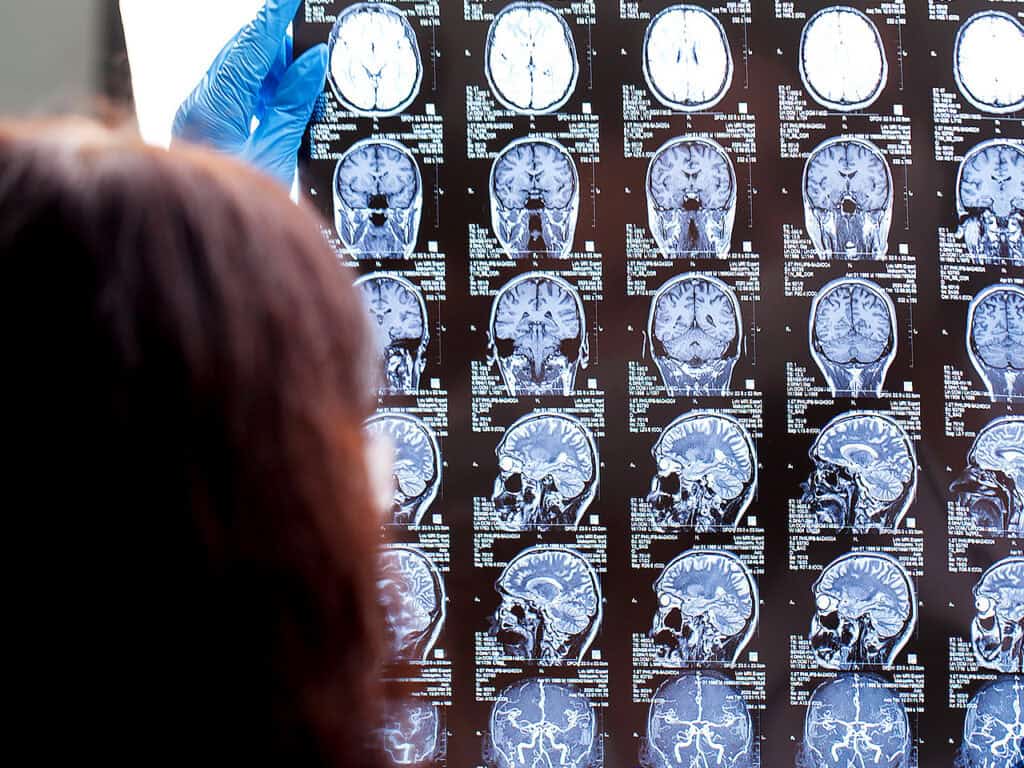
What to Know About Traumatic Brain Injuries
Traumatic brain injuries (TBIs) are often called the “silent epidemic” because their effects can be life-altering while remaining invisible to others. For many victims, a sudden blow or jolt to the head can lead to long-term physical, cognitive, and emotional challenges that impact every aspect of daily life.
At The Goss Law Firm, raising awareness about traumatic brain injuries is essential because understanding the risks, causes, and statistics behind these injuries can help prevent them and ensure victims receive the support they need and deserve.
What Is a Traumatic Brain Injury?
A traumatic brain injury occurs when a severe blow or jolt to the head, or a penetrating head injury, disrupts the normal function of the brain. TBIs range in severity from mild concussions to severe brain damage that can result in permanent disability or death.
These injuries can occur in many everyday situations, including car accidents, workplace incidents, falls, sports injuries, or acts of violence, and can have long-term consequences if not properly treated.
The Growing Impact of TBIs in the United States
Recent data highlights how widespread traumatic brain injuries are across the country.
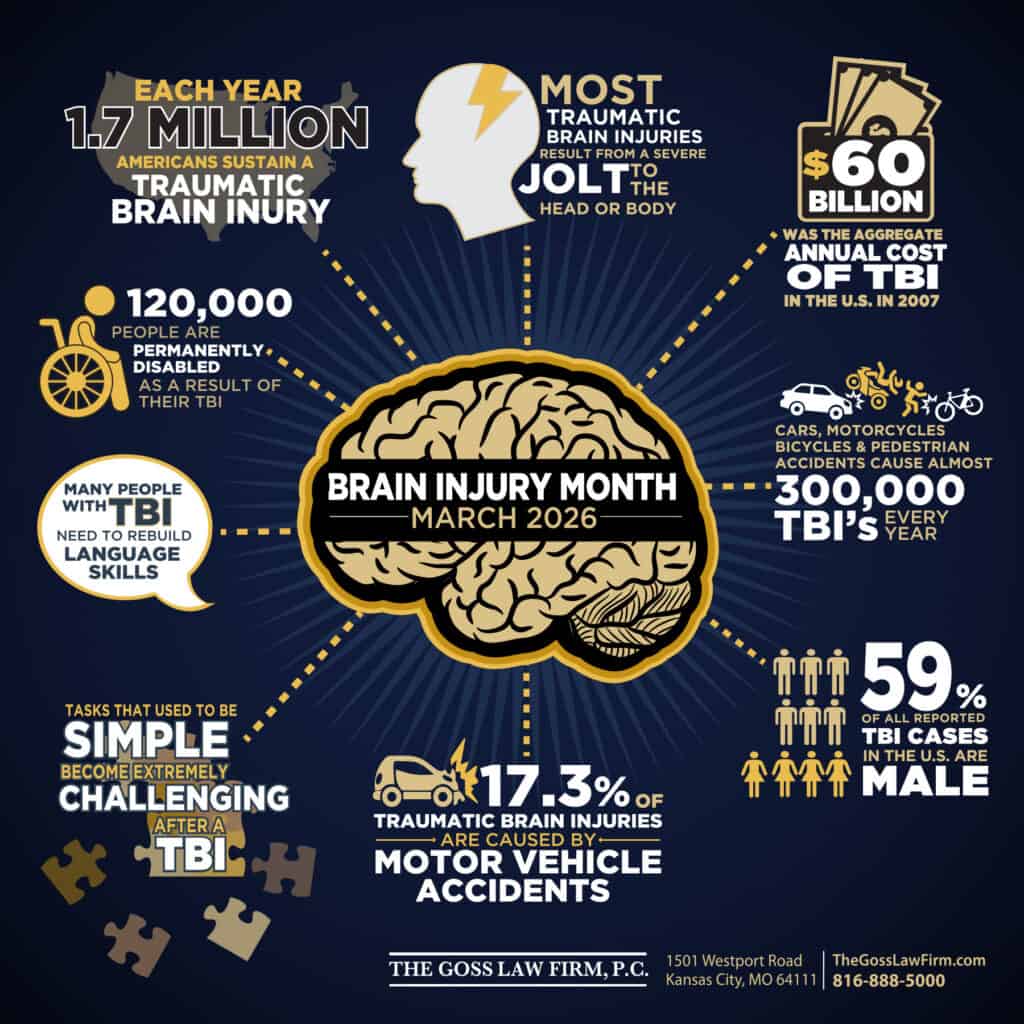
- Approximately 69,000 people died from TBI-related injuries in the United States in 2021, which equals about 190 deaths per day.
- In 2020, there were about 214,000 hospitalizations related to traumatic brain injuries, averaging more than 586 hospitalizations daily.
- TBIs contribute to about 30% of all injury-related deaths in the United States.
- Each year, roughly 2.8 million Americans sustain a traumatic brain injury.
These numbers likely underestimate the true scale of the problem. Many brain injuries go untreated, meaning they may not appear in official statistics.
Leading Causes of Traumatic Brain Injuries
Understanding how TBIs occur is key to prevention. The most common causes include:
- Falls: approximately 48% of TBIs
- Motor vehicle crashes: about 17%
- Assault or violence: around 9%
- Sports and recreational activities: about 8%
Falls are particularly common among young children and older adults, while vehicle accidents and sports injuries are major causes among teenagers and younger adults.
The Long-Term Effects of Brain Injuries
A traumatic brain injury can change a person’s life in profound ways. Survivors may experience:
- Memory loss and cognitive impairment
- Difficulty concentrating or communicating
- Mood changes, depression, or anxiety
- Chronic headaches and dizziness
- Physical disabilities or loss of motor function
An estimated 5.3 million Americans live with long-term disabilities related to brain injuries, requiring ongoing care and support. Because symptoms may not appear immediately after an injury, many people underestimate the seriousness of head trauma. Early diagnosis and medical treatment are critical.
Supporting Victims of Traumatic Brain Injuries
For individuals and families affected by TBIs, recovery can be a long and difficult journey. Legal guidance can play an important role when injuries result from accidents, negligence, or unsafe conditions. At The Goss Law Firm, raising awareness about traumatic brain injuries is part of advocating for victims and helping them pursue the resources they need to rebuild their lives.
Contact our traumatic brain injury attorneys today by submitting an online form or calling our office at (816) 888-5000 for a free legal consultation.